Improving reaction time is not simply a matter of moving your hands faster. In sport, performance depends on noticing a relevant signal, identifying what it means, choosing an appropriate response and then producing that movement accurately. This is why the best reaction time training combines visual attention, decision-making, coordination, strength and recovery.
A useful plan also distinguishes simple reaction time from sports reaction speed. Responding to one known light is a different task from reading an opponent’s movement and selecting one of several possible actions. The training method should match the situation you want to improve.
What reaction time means in sport
Reaction time is the interval between a stimulus and the beginning of a response. The stimulus may be a sound, a visual signal, a change in an opponent’s position or the flight of a ball. Movement time begins after the response starts, so a person can have a quick reaction but still move slowly because of poor technique, limited strength or inefficient positioning.
There are three common forms of reaction performance:
- Simple reaction time: one known response follows one predictable signal, such as pressing a button when a light appears.
- Choice reaction time: different signals require different responses, such as moving left for one colour and right for another.
- Sport-specific anticipation: the athlete reads information before the event is complete, predicts what is likely to happen and prepares an efficient response.
In football, for example, reacting quickly to a pass is not only about seeing the ball. Body orientation, the passer’s hips, nearby opponents and the available space help determine the correct action. A reaction-time test can measure a narrow skill, but it cannot fully represent match performance.
Train the signal and the decision together
Basic drills can improve familiarity with a stimulus, but repeating the same predictable action has limits. If the athlete knows exactly when and where the signal will appear, the exercise may improve anticipation of the drill rather than general reaction speed.
Use progressively less predictable tasks such as:
- catching a ball released from different heights or angles;
- moving toward a coloured marker selected at random;
- responding to a coach’s visual or verbal cue with different movements;
- returning a ball while adjusting to changes in speed, direction and bounce;
- using a partner to create realistic attacks, feints or passing options.
Start with accurate responses at a manageable speed. Increase speed or uncertainty only when the athlete can still make the correct decision. A fast but wrong response is not an improvement in competitive reaction speed. For team sports, small-sided games and constrained drills often transfer better than isolated button-pressing exercises because they require perception, movement and decisions in the same environment.
Exercises that can help improve reaction time
Ball tracking and catching
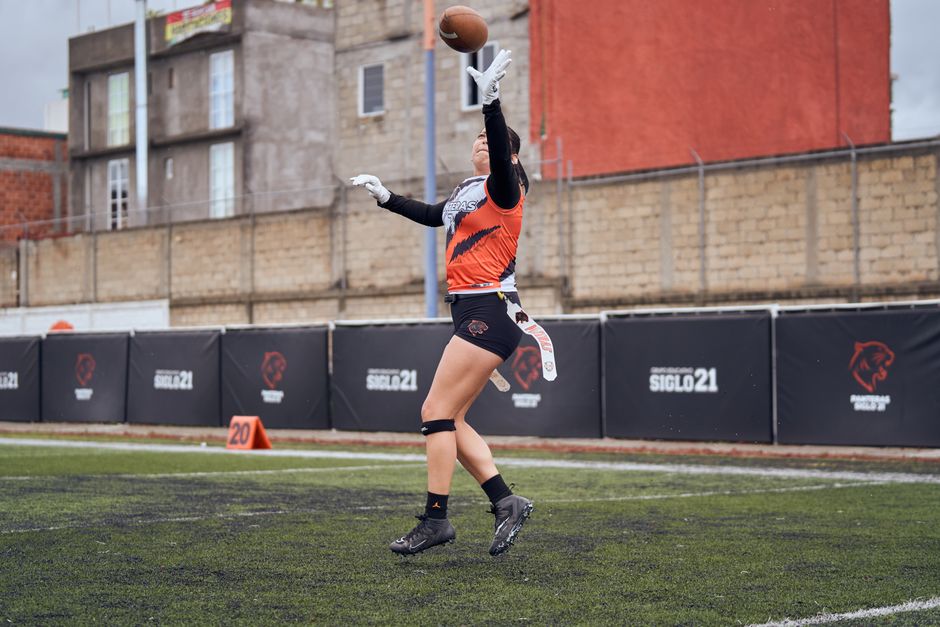
A partner can throw or bounce a tennis ball from varied positions while the athlete catches it with one hand, changes stance or moves into its path. This trains visual tracking, hand-eye coordination and movement initiation. Progress by adding a second ball, changing the starting position or requiring a specific footwork response, but keep the drill safe and technically controlled.
Random cue drills
Assign different actions to different signals: a clap may mean a short sprint, a pointing gesture may mean a lateral shuffle and a colour may indicate a direction. Randomise the timing and order of the cues. This type of choice reaction training is more demanding than responding to one repeated signal because the athlete must identify the cue before moving.
Mirror and opponent drills
In a safe space, one athlete leads with controlled lateral movements while the other mirrors them. The leader should vary direction without using exaggerated or misleading movements. This develops visual attention and body-position reading. In contact sports, use appropriate coaching supervision and avoid high-speed collisions.
Sport-specific perception practice
Video can be useful when it requires a response rather than passive viewing. Pause footage shortly before a decisive action and ask the athlete to identify the likely pass, shot or movement. Then compare the prediction with what happened. The exercise is most valuable when it focuses on relevant visual information, such as an opponent’s hips, the ball carrier’s options or the position of defenders.
Why sleep, fatigue and stress change reaction speed
Reaction performance is affected by the condition of the nervous system. Short sleep, accumulated training fatigue, dehydration, illness and mental stress can slow responses or increase incorrect decisions. A player may appear to have lost speed when the larger problem is reduced attention and slower information processing.
Consistent sleep, sufficient food and fluid intake, sensible training loads and recovery between intense sessions support better performance. Avoid treating fatigue as a test of toughness during drills that require rapid decisions. If technique deteriorates or responses become reckless, reduce the intensity or stop the exercise.
Heat can add another challenge during outdoor training, especially when the session is long or hydration opportunities are limited. Schedule demanding reaction drills when athletes are alert, provide appropriate breaks and adjust the workload to the conditions. These measures do not create an instant improvement in reaction time, but they help prevent temporary performance losses.
Strength, technique and positioning also matter
A reaction begins with perception, but the completed action depends on physical preparation. Strong lower limbs can help an athlete brake and accelerate, while trunk control and sound footwork reduce unnecessary movement. A goalkeeper who starts in a balanced position may reach a shot sooner than one who reacts equally quickly from a poor stance.
Useful supporting work includes acceleration, deceleration, lateral movement, balance, coordination and sport-specific strength. The aim is not to make every drill maximally fast. It is to reduce the time between recognising the correct action and executing it efficiently. Technical coaching can therefore improve apparent reaction speed even if a laboratory reaction-time score changes very little.
How to measure progress without misleading yourself
Use the same test, device, position, lighting and instructions each time. Record both response time and accuracy. A lower time accompanied by more errors may represent worse performance for a goalkeeper, defender or driver who must make a correct decision.
Test when reasonably rested and compare results across several sessions rather than relying on one attempt. Phone-based reaction time tests can show trends, but touchscreen delay, device refresh rate and inconsistent finger placement affect the result. Treat them as simple monitoring tools, not definitive measurements of sporting ability.
For practical sport testing, combine a simple reaction test with a choice reaction task and a representative movement drill. Also track outcomes such as successful interceptions, accurate returns or correct defensive responses. The most meaningful question is often not “How fast was the signal response?” but “Did the athlete recognise and complete the right action under realistic conditions?”
Common mistakes in reaction-time training
- Repeating a predictable drill: this can train anticipation of the pattern instead of adaptable reactions.
- Chasing speed at the expense of accuracy: poor decisions do not become useful because they happen quickly.
- Ignoring movement technique: a quick visual response cannot compensate for inefficient footwork or poor positioning.
- Training only when exhausted: fatigue may make the exercise less precise and increase injury risk.
- Expecting dramatic changes from one exercise: improvements are usually task-specific and require consistent practice.
- Confusing reflexes with reaction time: many sport responses involve conscious perception and choice, not an automatic spinal reflex.
Frequently asked questions about improving reaction time
Can reaction time be improved at any age?
Practice can improve task familiarity, attention, coordination and decision-making at many ages. The size of the improvement depends on the starting point, the task and the consistency of training. Older athletes may also benefit from better anticipation and positioning, even when basic response speed changes less.
Do reaction balls improve reaction speed?
Irregular-bounce balls can train visual tracking, hand-eye coordination and movement responses. They are useful when the exercise resembles the demands of the sport, but they are not a complete solution. They should supplement decision-based and sport-specific practice rather than replace it.
How often should reaction drills be performed?
Short, focused sessions are generally more useful than long sessions performed with declining accuracy. Many athletes can include a few high-quality reaction exercises in warm-ups or technical training, provided the drills are appropriate for their level and recovery. A coach or qualified practitioner should adjust frequency around competition and heavy training.
What is the fastest way to improve reaction time?
There is no single fastest method for every athlete. The most efficient approach is usually to identify the sport-specific delay, then practise the relevant cue, decision and movement under gradually increasing uncertainty. Sleep, recovery, technique and positioning can produce larger practical gains than simply attempting to respond to a flashing screen faster.