
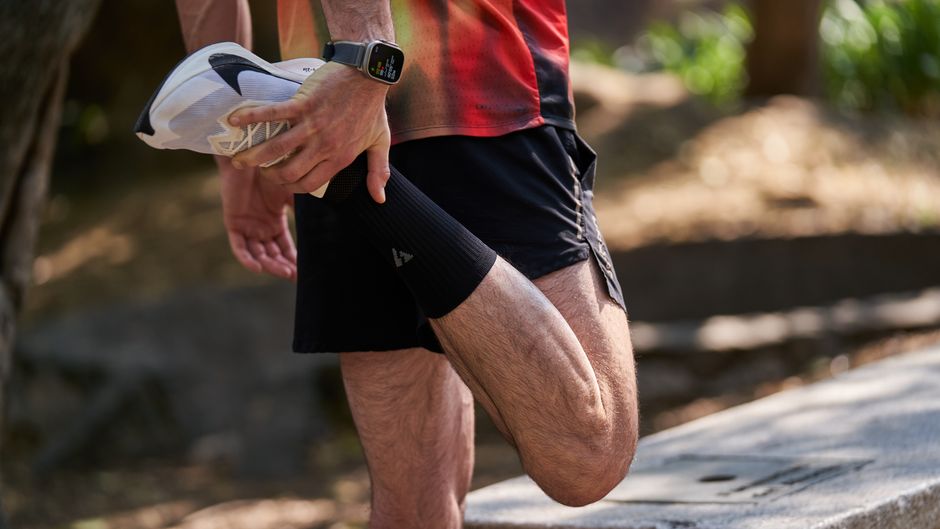
Athletics injuries rarely begin with one dramatic moment. A sore shin after repeated track sessions, a hamstring that tightens late in a sprint, or an ankle that never quite settles can all signal that training has exceeded the body’s ability to recover.
For athletes across Africa, the circumstances can vary widely. Training may take place on a synthetic track, grass, compacted earth or uneven roadside surfaces. Access to sports physiotherapy and imaging is also different from one community to another. The basic principles remain consistent: recognise symptoms early, reduce the aggravating load and seek an assessment when pain persists or affects movement.
The athletics injuries seen most often
Track and field injuries differ according to the event, training volume and surface. Distance runners commonly deal with gradual-onset problems, while sprinters and jumpers face more explosive muscle and tendon injuries.
- Shin pain: Medial tibial stress syndrome, often called shin splints, may cause tenderness along the inner edge of the shin after increases in running. Pain that becomes more localised, appears at rest or continues during walking needs prompt assessment because a bone stress injury is possible.
- Hamstring strains: These are common in sprinting and other high-speed events. A sudden pull, sharp pain or loss of power should not be tested repeatedly in the same session.
- Achilles and calf problems: Repeated running, jumping and sudden changes in training can irritate the Achilles tendon or overload the calf muscles. Morning stiffness and pain during push-off are useful warning signs.
- Knee pain: Patellofemoral pain and tendon irritation may develop when running, squatting or jumping loads rise too quickly. Weakness around the hip or poor control during landing can contribute, although the exact cause varies.
- Ankle sprains: Uneven surfaces, landing errors and field-event footwork can damage the ligaments around the ankle. Swelling, bruising or difficulty bearing weight warrants a clinical examination.
- Stress fractures: These overuse injuries can affect the foot, shin or other bones. Focal pain that worsens with impact should not be managed by simply pushing through it.
Why running and sprinting injuries develop
The most common trigger is a mismatch between training stress and recovery. That mismatch may follow a sudden increase in mileage, faster intervals, extra competition, a new event or a return to sport after time away.
Training conditions also matter. Hard or uneven ground can change the load on the feet and lower legs, while worn shoes may provide less cushioning or stability than an athlete expects. Heat and humidity can increase fatigue, making technique deteriorate late in a session. In hot conditions, athletes should plan water access, train at safer times where possible and take heat illness symptoms seriously.
Strength, sleep, nutrition and previous injury history influence risk as well. A busy school, work or competition schedule can leave little time for recovery. Inadequate energy intake may affect performance and healing, particularly during periods of high training volume. These factors do not make injury inevitable, but they help explain why the same programme affects athletes differently.
What to do when pain appears
The first decision is whether the symptom is mild and settling or sharp, worsening and changing movement. Stop the specific activity if pain is severe, follows a sudden pop, causes significant swelling or makes normal walking difficult. Continuing a sprint session on a painful hamstring can turn a manageable strain into a longer absence.
For a recent soft-tissue injury, relative rest is usually more useful than complete inactivity. Avoid the movement that increases pain, but maintain comfortable daily movement if it is safe. Ice may provide short-term comfort, although it does not repair the underlying injury. Compression and elevation can help with swelling. Avoid returning to full training solely because pain has temporarily eased.
Medication requires care. Anti-inflammatory drugs are not suitable for everyone and may mask symptoms that should guide activity. A pharmacist or clinician can advise on the safest option, especially for athletes with medical conditions, allergies or other medicines.
When an athlete should seek medical help
Professional assessment is appropriate when pain lasts more than a few days, repeatedly returns, causes limping or prevents normal training movements. It is particularly important for focal bone pain, suspected stress fractures, major swelling, joint instability, numbness, weakness or an injury followed by a pop.
Urgent care is needed after a serious collision or fall, an obvious deformity, inability to bear weight, severe pain that is rapidly worsening, or signs of heat illness such as confusion, collapse or loss of consciousness. A doctor, physiotherapist or qualified sports-medicine professional can examine the athlete and decide whether imaging or a structured rehabilitation plan is necessary.
Reducing athletics injury risk
Prevention is less about finding one perfect exercise and more about managing training consistently. Increase running distance, intensity and jumping volume gradually rather than changing several at once. Keep at least some lighter sessions in the week and record soreness, sleep and unusual fatigue so patterns become visible.
A proper warm-up should raise body temperature and prepare the movements required in the event. For sprinting, this may include progressive running drills and controlled accelerations. Jumpers and throwers need event-specific mobility and landing or throwing preparation. Strength work for the calves, hamstrings, hips and trunk can support performance when it is progressed sensibly.
Check footwear, surfaces and technique when symptoms begin. Shoes do not need to be expensive, but they should fit, suit the event and be replaced when their condition has clearly deteriorated. Coaches should also adapt sessions for heat, travel, examinations, illness and athletes returning from injury.
Returning to training after an injury
Athletes should be able to walk normally and perform basic event movements without increasing pain before attempting full training. A return usually starts with reduced volume and intensity, followed by gradual increases if symptoms remain stable during the session and the following day.
For a hamstring strain, that may mean progressing from pain-free jogging to controlled accelerations before maximal sprinting. For shin pain, it may mean replacing some impact work with cycling or pool exercise while the cause is assessed. The exact timeline depends on the diagnosis, not on a fixed number of days.
Young athletes should involve a parent, guardian, coach or healthcare professional rather than hiding symptoms to protect a place in a team. Early reporting can prevent a small problem from becoming a season-ending athletics injury.
Frequently asked questions about athletics injuries
Should I train through shin splints?
Do not continue any activity that makes the pain sharper, changes your stride or causes symptoms to linger. Reduce impact and arrange an assessment if the pain is focal, persistent or present while walking.
How can I tell a muscle strain from normal soreness?
Normal post-training soreness is usually spread through the worked muscles and improves as the body warms up. A strain is more likely to cause a distinct painful spot, sudden onset, weakness or pain during a specific movement. A clinician can confirm the difference.
How soon can I sprint after a hamstring injury?
Not until walking, jogging and progressive acceleration are comfortable and strength has returned. Maximal sprinting should be reintroduced under a gradual plan, especially if the injury has previously recurred.