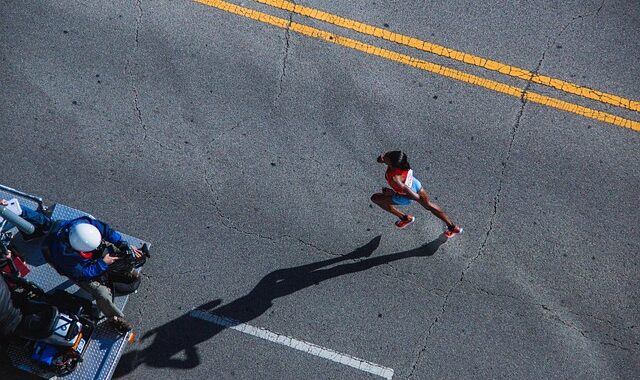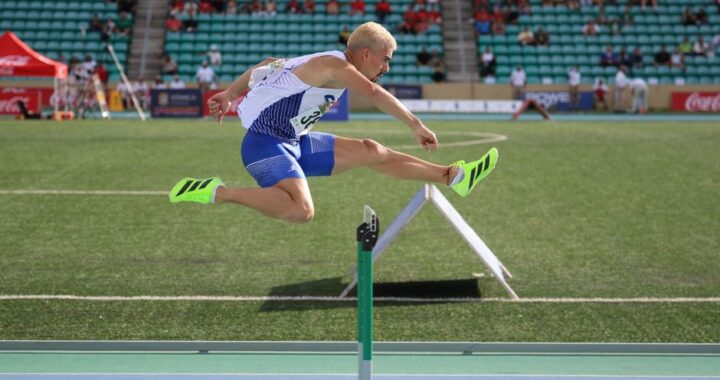
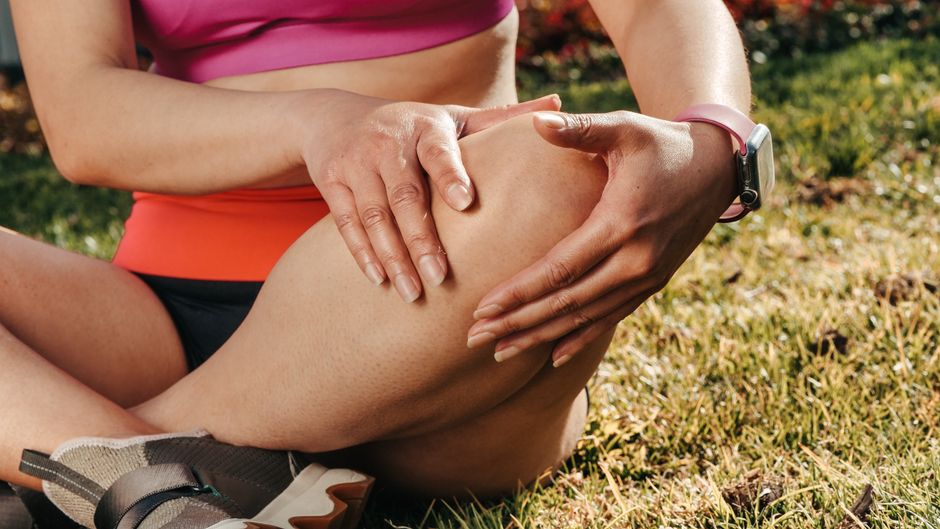
Runner’s knee is a common term for pain around or behind the kneecap, often linked to irritation in the tissues that help the kneecap move as the knee bends. Clinicians may call this patellofemoral pain. It can affect new runners, experienced athletes, and people whose training load changes quickly.
The name does not identify one single injury. Similar pain can arise from several problems, so the location, timing, severity, and triggers matter. Persistent, severe, or unusual symptoms should be assessed by a qualified healthcare professional rather than treated as runner’s knee automatically.
What runner’s knee feels like
Patellofemoral pain commonly causes a dull ache at the front of the knee, around the kneecap, or behind it. Symptoms may become more noticeable during running, squatting, lunging, climbing stairs, or sitting with the knee bent for a long time. Some runners notice discomfort when rising after a journey or desk session.
Pain that gradually increases with activity is more typical than a sudden, clearly defined injury. Clicking or grinding can occur without serious damage, but it should be considered alongside pain, swelling, weakness, and loss of movement. A knee that locks, repeatedly gives way, or becomes markedly swollen may indicate a different problem.
Why runner’s knee develops
Symptoms often appear when the knee is exposed to more stress than it can currently tolerate. A rapid increase in mileage, speed work, hills, frequency, or hard-surface running can contribute. Changing shoes or training after a period of reduced activity may also alter the load on the leg, although footwear alone is rarely a complete explanation.
Hip and thigh muscle weakness, reduced strength endurance, limited ankle movement, and changes in running mechanics may influence how the leg absorbs force. These factors are not proof of a single faulty movement pattern. Two runners with similar symptoms may need different rehabilitation plans, and pain does not necessarily mean that the kneecap is damaged or out of position.
How runner’s knee is assessed
A clinician usually considers the history of the pain and examines knee movement, strength, swelling, tenderness, and function. The ability to squat, step down, or run may provide useful information. Imaging is not always needed for straightforward patellofemoral pain, but an X-ray, ultrasound, or MRI may be considered if the diagnosis is uncertain, symptoms persist, or another injury is suspected.
Runner’s knee should not be confused with iliotibial band pain, patellar tendon pain, a meniscus injury, ligament damage, stress injury, or pain referred from the hip or lower back. Pain on the outer side of the knee, pain directly below the kneecap, a twisting injury, or focal bone tenderness can point to a different condition.
Treatment and recovery
The most useful early change is usually load modification rather than complete inactivity. Reduce or temporarily remove the activity that clearly aggravates the knee, while maintaining comfortable movement such as easy walking, swimming, or cycling if these do not increase symptoms. A short-term reduction in running distance, pace, hills, or frequency may be enough for some people.
Strengthening is often central to rehabilitation for patellofemoral pain. A physiotherapist may prescribe exercises for the quadriceps, gluteal muscles, hips, and trunk, then increase resistance and single-leg demands as tolerance improves. Exercises should be progressed gradually. Mild discomfort during rehabilitation may be acceptable in some plans, but pain that escalates during the session or remains substantially worse afterwards suggests that the load needs adjustment.
Ice or a simple pain-relief strategy may provide temporary comfort, but these measures do not correct the factors that keep symptoms recurring. Anti-inflammatory medicines are not suitable for everyone and can interact with other treatments or medical conditions, so ask a pharmacist or clinician before using them regularly.
Returning to running safely
Returning to running is usually more reliable when normal walking, stairs, and basic strengthening exercises are comfortable. Begin with an easy, flat session and keep the duration modest. Many runners use run-walk intervals to control load. Increase only one variable at a time, such as duration before speed or hills, and leave recovery time between harder sessions.
Monitor the knee during the run and over the following day. A small, stable response that settles quickly may be manageable, while increasing pain, swelling, altered movement, or worsening symptoms the next morning indicates that the previous session was too demanding. A gradual return should be based on symptoms and function, not on a fixed mileage rule.
When to seek medical help
Arrange an assessment if knee pain does not improve after reducing aggravating activity, keeps returning, or prevents normal walking and training. Seek prompt medical care after a significant collision or twist, or if the knee is very swollen, hot, red, unstable, locked, or unable to bear weight. Fever or feeling unwell alongside a hot, swollen knee requires urgent attention.
For runners in Africa, access to sports physiotherapy and imaging may vary between locations. A general doctor, physiotherapist, sports medicine clinician, or experienced healthcare professional can still begin the assessment and advise whether specialist referral is needed. Do not rely on online symptom matching when symptoms are severe or unusual.
Common misconceptions about runner’s knee
Runner’s knee does not automatically mean that running must stop forever, nor does it prove that a runner has worn away the cartilage. It also cannot usually be solved by changing shoes alone. Training load, strength, recovery, movement tolerance, and other health factors may all contribute.
Persistent pain is not a useful test of toughness. Continuing to increase mileage while the knee is worsening can extend recovery, whereas a measured reduction in load followed by progressive strengthening often creates a clearer path back to running.