To play football, two teams try to score by moving the ball into the opponent’s goal while stopping the other team from doing the same. Most matches use 11 players per side, including a goalkeeper, but smaller-sided games are often the best way to learn.
This overview explains the basic football rules, player positions, essential techniques and simple training habits. It applies to association football, the version played across Africa and governed internationally through the Laws of the Game.
How a football match works
A standard match has two halves of 45 minutes, with a break between them. Youth, school and community matches are often shorter. The game starts with a kick-off at the centre circle, and play continues until the ball leaves the field, a goal is scored or the referee stops the match.
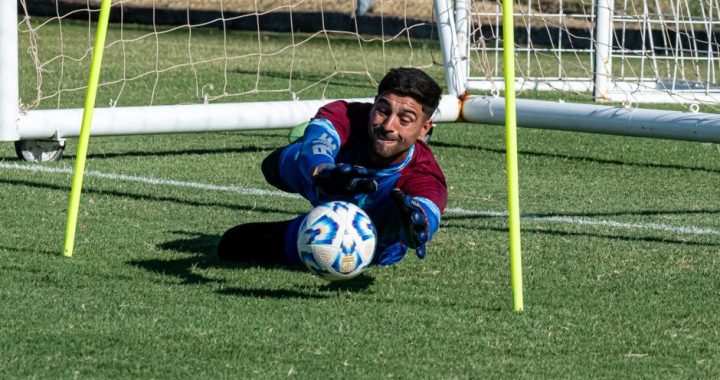
Players may use any part of the body except their hands and arms. The goalkeeper is the exception: inside the team’s penalty area, the goalkeeper may catch, hold or throw the ball. Outside that area, the goalkeeper follows the same handball rules as every other player.
A goal counts when the entire ball crosses the goal line between the posts and below the crossbar. The team with more goals wins. In a knockout match, extra time or a penalty shootout may be used if the score is level.
Football positions and what each player does
Understanding football positions makes it easier to know where to move and what decisions to make. Players do not remain in one small area, but each position has a main responsibility.
- Goalkeeper: Protects the goal, communicates with defenders and starts attacks with throws, passes or kicks.
- Defenders: Stop attacks, mark opponents, win the ball and pass out from the back. Centre-backs usually protect the middle, while full-backs cover the sides.
- Midfielders: Connect defence and attack. They receive passes, help regain possession and decide the pace of the game.
- Wingers: Use the wide areas to carry the ball, cross, combine with teammates and attack space behind defenders.
- Forwards: Create and finish scoring chances, pressure defenders and make runs near the opponent’s goal.
A beginner should learn more than one role. For example, a player who starts as a winger will improve faster by practising defensive tracking and central passing as well as attacking skills.
The essential skills for playing football
First touch
Your first touch controls the ball after a pass. Use the inside of the foot for a safe touch and keep the ball close enough for your next action. Try to receive the ball across your body rather than stopping it directly under your feet. This opens your view of the pitch.
Passing
For a short pass, plant your non-kicking foot beside the ball and strike through its centre with the inside of your foot. Keep the ankle firm and follow through toward your teammate. Pass to the foot or space that helps the receiver take the next action.
Practise two-touch passing with a partner: control the ball with the first touch and pass with the second. Increase the distance gradually, then add movement and a defender to make the exercise more realistic.
Dribbling and turning
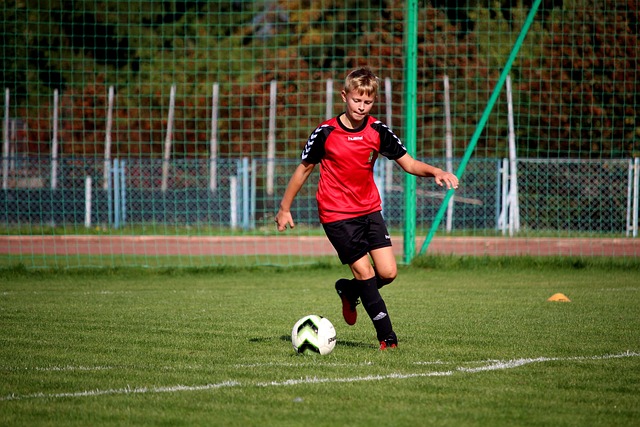
Dribbling means moving with the ball while keeping it under control. Use small touches in crowded areas and longer touches when you have open space. Change direction with the inside or outside of the foot, then accelerate after the turn.
Useful turns include the inside cut, outside cut and sole roll. Practise them with cones or water bottles, but keep your head up regularly so you learn to see teammates and opponents rather than only the ball.
Shooting
For a powerful shot, approach the ball at a slight angle, plant the support foot beside it and strike with the laces. For accuracy, use the inside of the foot and aim for a specific area of the goal. Keep your eyes on the ball at contact, then recover quickly for a rebound.
Defending
Good defending is not only tackling. Stay between the attacker and your goal, slow the attack and guide the opponent away from dangerous central areas. Keep a balanced stance, watch the ball and the attacker’s hips, and avoid diving in unless you have a clear chance to win possession.
Basic football rules beginners should know
The offside rule is one of the most misunderstood football rules. A player is generally in an offside position if part of the head, body or feet is nearer to the opponent’s goal line than both the ball and the second-last opponent when a teammate plays the ball. Being in that position is not automatically an offence; the player must become involved in active play.
A foul can result from actions such as kicking, tripping, pushing, holding or making dangerous contact. The referee may award a direct free kick, indirect free kick or penalty kick. A yellow card is a caution, while a red card sends a player off. A player who receives a red card cannot be replaced in the usual way.
The ball leaves the field for a throw-in when it fully crosses the touchline. A corner kick is awarded when the defending team last touches the ball before it crosses its own goal line without entering the goal. A goal kick is given when the attacking team last touches the ball before it crosses the goal line outside the goal.
How to practise football effectively
You do not need a full-size pitch to learn how to play football. A safe open area, a ball and a few markers are enough for many exercises. On hard ground, wear suitable footwear and check the surface for stones, holes or broken glass before playing.
- Warm up for five to ten minutes: Walk, jog, move your joints and perform light ball touches.
- Practise ball control: Use both feet for inside touches, sole rolls and short dribbles.
- Pass and receive: Work with a partner, focusing on the quality of the first touch.
- Add movement: Pass, move into a new space and receive again instead of standing still.
- Finish with game actions: Practise shooting, defending or small-sided play while tired.
- Cool down: Walk for a few minutes and drink water, especially in hot conditions.
Small-sided games such as three-versus-three or five-versus-five give beginners more touches, more decisions and more chances to defend and attack. Community pitches, school teams, local academies and football clubs can provide useful competition and coaching. Follow the rules and facilities available in your area, and choose organised sessions with safe supervision for younger players.
How to improve during matches
Scan the pitch before the ball arrives. Check over both shoulders, identify an opponent and locate your next passing option. After passing, move to support the teammate rather than watching the ball.
Keep your first decisions simple: control, pass, move. If a forward pass is not available, pass sideways or backwards and help your team keep possession. When defending, communicate clearly with short instructions such as “man on,” “turn,” “cover” or “step.”
Review one part of your performance after each game. You might track successful first touches, accurate passes, defensive recoveries or chances created. Focusing on one measurable area is more useful than trying to fix every weakness at once.
Common questions about learning football
Can I learn football without joining a club?
Yes. Individual ball work, partner passing and small games can build a strong foundation. A club or school team becomes valuable when you need regular match experience, coaching and feedback on positioning.
Which football skill should I learn first?
Start with first touch and short passing. These skills allow you to keep possession and participate in a team even before you become a confident dribbler or shooter.
How often should I train?
Two or three focused sessions each week can produce steady improvement. Leave time for recovery, especially after intense matches, and stop if pain is sharp or persistent.
What should a beginner do during a match?
Stay available for a pass, make simple decisions, track your opponent when defending and keep moving after you release the ball. These habits help the team even when you are not scoring.